
The modern fashion landscape is a study in contradictions. On one hand, we witness the pinnacle of human craftsmanship—hand-stitched leather goods, diamonds set with microscopic precision, and heritage houses with histories spanning centuries. On the other, we see a parallel universe thriving in the digital shadows, a world where the lines between genuine and imitation are so blurred that even seasoned experts sometimes have to look twice. At the heart of this intersection lies the complex and often misunderstood concept of fake designer jewelry. This term has evolved far beyond the cheap, green-tarnished trinkets sold on street corners. Today, it signifies a multi-billion dollar industry that produces items capable of mimicking the weight, the luster, and the very essence of luxury, often at a fraction of the cost.
The global appetite for these pieces is undeniable. In 2024, the market for imitation jewelry alone was valued at a staggering figure, with projections suggesting it will continue to grow robustly in the coming years . This is not merely a tale of deception; it is a story driven by profound shifts in consumer behavior, economic pressures, and a fundamental questioning of what luxury truly means. For many, the pursuit of a specific aesthetic is no longer inextricably linked to the prestige of a brand name or the weight of a price tag. It is about the look, the feeling, and the confidence that comes with a carefully curated style. This has created a demand for pieces that offer the visual payoff of high fashion without the financial investment that often seems out of reach.
To speak of fake designer jewelry today is to acknowledge the existence of a hierarchy. At the bottom are the low-grade copies, often found in tourist markets, where a casual glance reveals flaws in the metalwork, plating, or stone setting. These are the "gas station quality" fakes, as some appraisers call them, lacking the nuance and attention to detail that define true craftsmanship . They serve a purpose, but they are rarely mistaken for the real thing. They are the fast fashion of the imitation world, designed for a fleeting moment.
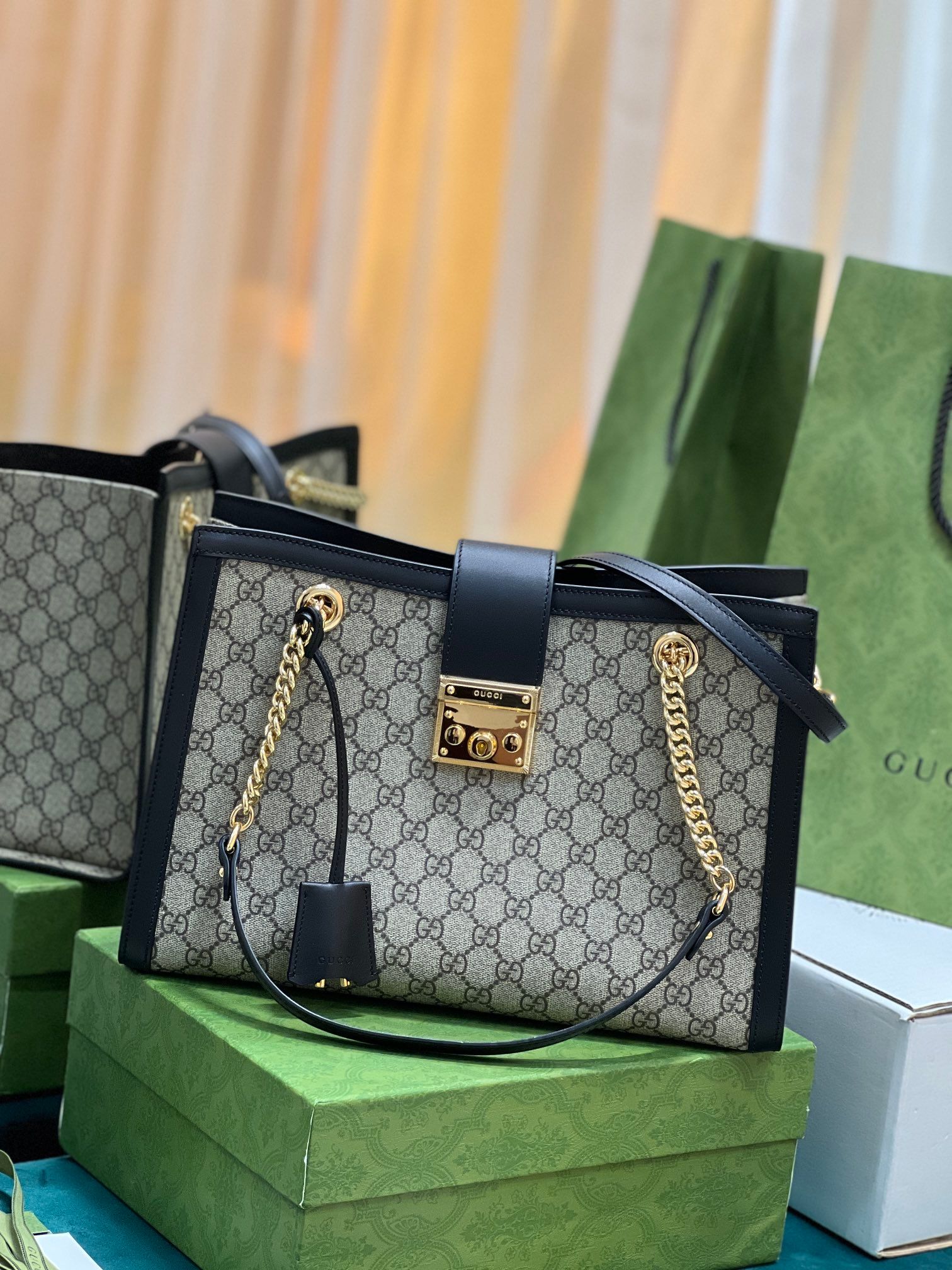
Moving up the ladder, however, is where the landscape becomes fascinating and genuinely tricky. This is the realm of the "first copy" or "mirror copy." Here, the focus is on visual fidelity. The silhouette of the piece, the placement of the logo, and the overall color scheme are meticulously replicated. Materials improve significantly, moving away from cheap base metals toward plated brass or stainless steel that offer a better heft and a more convincing finish. Hardware is closer in color to the original, and the packaging—the box, the dust bag, the "warranty card"—is often reproduced with surprising accuracy . For the average observer, a mirror copy piece might pass muster, especially if seen from a distance or worn in a social setting where close inspection is unlikely. These pieces are appealing to a consumer who understands the game and is willing to play it with a product that offers a convincing illusion.
Yet, above even this tier exists the apex predator of the imitation industry: the "superfake." These are not just copies; they are engineering marvels. Products labeled as superfakes are often crafted with obsessive precision. Some are rumored to use the very same leather sources, precious metal alloys, and even Swiss movements as the originals. The hardware is milled to the exact weight and dimensions, and the stitching is done using the precise number of stitches per inch required by the original manufacturer. These are the $800 investments that require a loupe and a trained eye to authenticate . The phenomenon is so sophisticated that the term fake designer jewelry almost seems like a misnomer; "parallel product" might be a more accurate description.
This rise in quality is fueled by a complex supply chain. While luxury brands are busy protecting their trade secrets, often manufacturing separate components of a bag or a piece of jewelry in different factories to prevent a complete pattern from being stolen, counterfeiters have found ways to reverse-engineer the final product . The primary source of these high-grade replicas is often traced back to manufacturing hubs in Asia, particularly in China, where the infrastructure and expertise in leatherwork, metal casting, and precision manufacturing are world-class . These are not the clandestine operations of the past; many operate with a high degree of organization, sourcing materials globally, employing skilled artisans, and utilizing advanced machinery.
The digital marketplace has been the primary catalyst for this boom in high-end replicas. The days of only being able to find a fake in a physical market are long gone. Today, the trade has moved to encrypted messaging apps, private Instagram pages, and specialized websites. The process for a buyer is often one of "finding your person"—a trusted seller with a reputation for sourcing the best quality . This seller often operates like a personal shopper, sharing catalogs, providing detailed information on materials and quality, and sourcing pieces to order. It is a world built on trust, referral, and shared language, where a wink and a nod among fashion aficionados makes the transaction feel less like an illicit act and more like being part of an exclusive, insider community.
Why are consumers, even those with the means to buy the real thing, increasingly drawn to these products? The motivations are diverse and often deeply personal. For some, it is pure practicality. The cost of an authentic piece of high-end jewelry or a handbag can be astronomical, representing a down payment on a house or a year's worth of grocery bills. A superfake allows a person to achieve the same aesthetic, to feel the same rush of confidence that comes with wearing a piece of iconic design, without the financial burden or the fear of damaging an irreplaceable investment. It democratizes style, making it accessible to a wider demographic that simply doesn't have the generational wealth or disposable income to participate in the traditional luxury market.
Another powerful motivator is a growing disillusionment with the luxury industry itself. As one consumer put it, "I just don't want to support a company marking everything up 10+ times" . When reports surface of a $45,500 Bottega Veneta bag or a $4,000 handbag being mass-produced in the same factories as more affordable lines, the mystique and justification for the price tag begin to erode . The customer feels taken advantage of, paying a premium for a label rather than for superior craftsmanship or exclusive materials. This erosion of trust is a significant driver for the replica market. If the brands themselves are optimizing for profit over quality, many buyers feel no moral qualms about opting for a parallel product that offers similar aesthetics at a more honest price point.
Furthermore, the very definition of luxury has shifted. The era of ostentatious, logo-heavy "logomania" is giving way to an appreciation for "quiet luxury"—a style defined by subtlety, impeccable cut, and high-quality materials rather than overt branding. This movement, championed by figures like former Louis Vuitton executive Margarita Zimmerman, who notes that people now dress more casually and reject "museum piece" levels of conspicuous consumption, plays directly into the hands of high-end counterfeiters . A superfake, by its nature, focuses on perfecting the details of a design rather than just splashing a logo on a canvas bag. The piece itself, the craft, becomes the focus. This aligns perfectly with a consumer base that is more educated about materials and construction and is less impressed by a mere brand name.
The rise of the superfake also presents a fascinating shift in the perception of counterfeit goods. They are no longer seen as a symbol of fraud, but as a form of rebellion against a system perceived as unjust. The buyer is in on the joke. They are savvy enough to know the difference but choose the replica not because they are fooled, but because they are refusing to participate in the inflated economy of luxury goods. As one commentator noted, "We buy them because the marketing worked, but it didn't work well enough to convince us to part with our hard-earned cash" . It is a statement of personal style that consciously divorces itself from brand allegiance and the social status tied to it.
This trend extends beyond jewelry. The fascination with the "almost-authentic" permeates the entire world of luxury accessories. The website known as luxurybagmarket.com provides a gateway to a universe where the line between real and replica is often indistinguishable. While it is a destination for those seeking premium handbags, its reach, and the appeal of similar sites, extends to a full spectrum of premium goods. The modern consumer's wardrobe is a carefully curated mix of pieces that tell a story, and for many, that story no longer requires an original receipt.
Consider the role of footwear. A pair of designer shoes can cost a small fortune, yet they are often among the hardest items to maintain. The soles wear down, the delicate fabrics stain, and the heels scuff. For someone who wants the finishing touch of a designer shoe for a special occasion but cannot justify the cost, a high-quality replica offers a solution. It provides the look and the comfort, often with surprisingly similar construction, without the fear of ruining a priceless item on a city street.
Similarly, accessories like belts, wallets, and cardholders are frequent targets for the replica market. These are items that are often subjected to daily wear and tear. A designer belt or wallet is a functional luxury, but for a fashion-conscious individual, the aesthetic is just as important as the utility. A high-end fake offers the same visual impact and a similar tactile experience for a fraction of the risk. You can use it daily, and it will age and patina, but if it gets damaged or lost, the financial blow is far less severe.
The world of watches and hats is no different. The craft of watchmaking is perhaps one of the most difficult to replicate, yet the market is flooded with "homage" pieces and superfakes that copy the look of a Patek Philippe or a Rolex down to the intricate movement. The weight, the sweep of the second hand, and the cyclops lens over the date window are all meticulously mimicked. Hats, with their logos and embroidery, also present an opportunity for counterfeiters. From baseball caps to wide-brimmed fedoras, the branding and silhouette of a high-end designer hat can be easily replicated for a consumer who wants to complete their look.
But what are the risks? For the average buyer of fake designer jewelry or other high-end replicas, the most immediate risk is simply overpaying for a product that is substandard. Even within the world of superfakes, quality can vary wildly from one batch or seller to another. An $800 investment in a supposedly perfect replica could turn out to be a $200 mirror copy with poor hardware if the buyer is not diligent. This is why the community around replicas has developed such a strong emphasis on vetting sellers and sharing reviews. As the saying goes, "Buy the seller, not just the product" . Without a trusted source, navigating this market is fraught with potential disappointment.
There is also the social risk. While many believe they can carry a replica with confidence, the fear of being "called out" is a potent deterrent for some. As many experts and consumers note, carrying a fake is a skill. It requires not just a convincing product but an overall ensemble that aligns with the product's supposed value. As one content creator put it, if you are wearing a fake designer bag but have cheap shoes, an ill-fitting outfit, or accessories that don't match the brand's level, it can raise suspicion . The "look" must be consistent. A superfake may be flawless, but it is the overall aura of the wearer that either sells the illusion or exposes it.
Beyond the personal risk, the legal and ethical implications are significant, though often distant from the end consumer. Intellectual property theft is a serious global issue, with the trade in counterfeit and pirated goods estimated to be worth hundreds of billions of dollars annually . This not only hurts the bottom lines of the luxury brands—which, while they are large corporations, employ countless artisans, designers, and workers—but also has been linked to a range of illicit activities, from money laundering to organized crime .
At the border, customs authorities are ramping up their efforts to intercept counterfeit goods. In recent operations, authorities have seized millions of fake items worth billions of euros, with the number of seizures skyrocketing year over year . Travelers caught carrying counterfeit goods can face fines and confiscation, turning a "smart" purchase into a costly mistake. The risks are even greater for the sellers and manufacturers. While a consumer might get a slap on the wrist, those profiting from the trade on a large scale face serious legal consequences, including civil lawsuits from the brands and even criminal prosecution for fraud and trafficking in counterfeit goods.
The complexity of this issue is also highlighted by the fact that some replicas are so good that they deceive the experts. Veteran appraisers regularly encounter "near-flawless copies of premier luxury brand jewelry," sometimes even crafted with genuine materials like 18-karat gold and natural diamonds . This presents a nightmare scenario for the secondhand and vintage luxury markets. A buyer might pay a premium for what they believe is an authentic vintage piece, only to discover later that it is a high-quality reproduction. This has made professional authentication services more important than ever, but even they can struggle with the best superfakes. It is not just about buying a fake; it is about unwittingly selling one, or being cheated by a seller who passes a replica off as a genuine piece .
The story of the Jaipur jeweler who allegedly cheated a designer out of hundreds of thousands of dollars by swapping diamonds for moissanite and using lower-karat gold serves as a cautionary tale. He built a reputation, provided certificates, and successfully fooled a business partner for years by mixing authentic pieces with fakes until the buyer got the entire batch tested . This demonstrates that the most sophisticated deception is not limited to the end consumer; it infects the entire supply chain, turning trusted business relationships into legal nightmares.
This is the reality of the modern fashion economy. Fake designer jewelry and its counterparts in bags, shoes, and watches are not a fringe phenomenon. They are a massive, sophisticated, and permanent fixture of the global market. They are driven by consumer demand for accessible beauty and style, a distrust of traditional luxury pricing, and a technological landscape that has made counterfeit goods easier to manufacture and distribute than ever before.
For the fashion house that prides itself on heritage, the superfake represents a fundamental threat to its identity. But for the consumer, it represents a new kind of choice—a choice that is not simply between "real" and "fake," but between buying into a system of status and exclusivity or opting out of it while retaining the aesthetic benefits. It is a rebellion not against fashion, but against its economics. The allure is powerful, and it is reshaping the industry in ways that the elite brands are only just beginning to grapple with. The future of luxury may not be in fighting the existence of fakes, but in redefining what authentic value truly means in a world where a perfect copy is only a WhatsApp message away.
FinalThoughts
The conversation surrounding fake designer jewelry is far more nuanced than a simple binary of real versus fake. It reflects a fundamental evolution in how society views luxury, value, and self-expression. In a world saturated with brands and images, the sophistication of the modern replica allows for a personal style that is less about the price tag and more about the aesthetic, providing a bridge between desire and accessibility. While the legal and ethical concerns are real and must be acknowledged, the sheer scale and quality of this parallel economy force us to question the very pillars of the traditional luxury industry. The ultimate takeaway is that for the modern consumer, the power lies in knowledge—understanding the market, recognizing the varying levels of quality, and making a choice that aligns with their personal values and style, fully aware of the product they are carrying.